

5 Bakery Trends Shaping the Bakery Industry in 2026
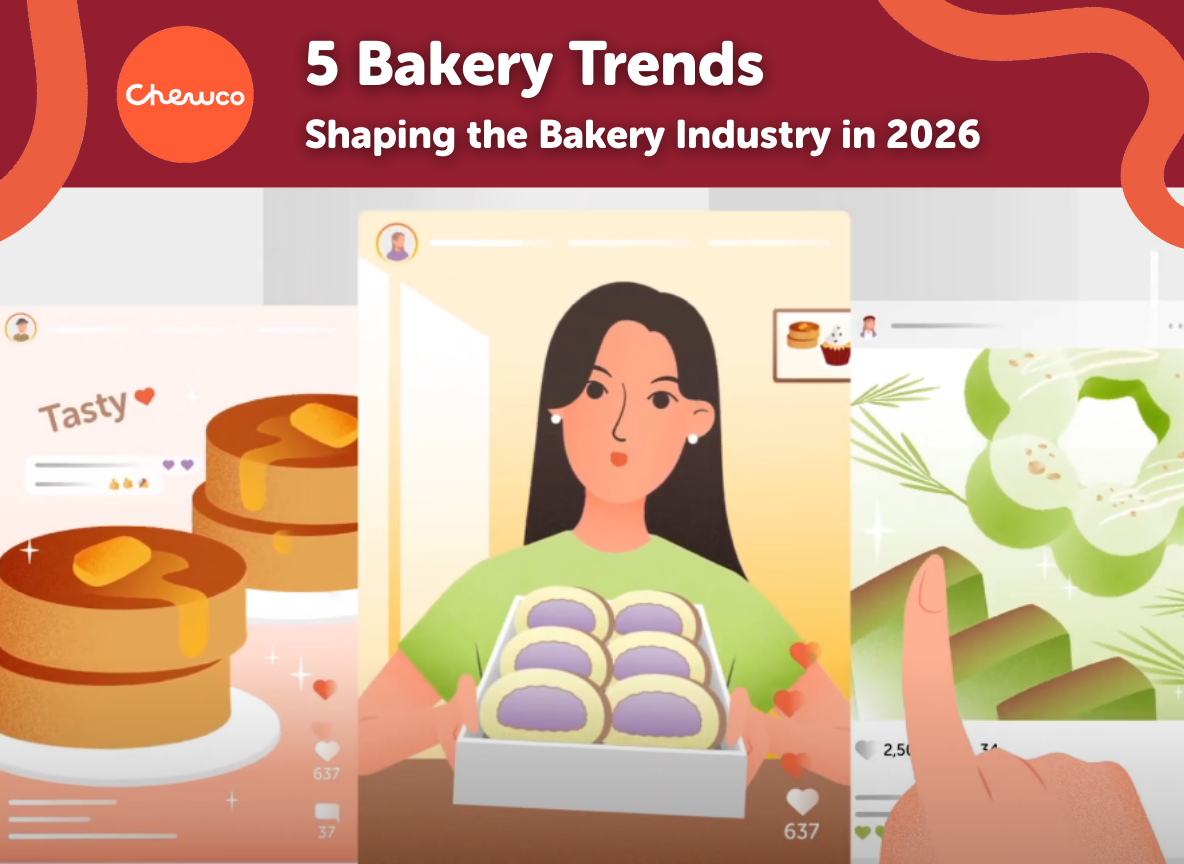
Bakery Trends 2026: Fusion, Health, Texture & Scale
The global bakery landscape is hitting a massive turning point. We aren’t just looking at minor shifts in what people eat; we’re seeing a total convergence of high-pressure labor markets, a "health-first" consumer obsession, and a complete overhaul of how products are scaled. For anyone in the business, these aren't just buzzwords, they are the new rules of survival.
The data makes the stakes very clear. Market projections show the global bakery sector hitting USD 57.2 billion by 2026, up from USD 52.24 billion in 2025 (Global Growth Insights). People still want their treats, but they want them to be convenient, functional, and higher quality than ever before.
This 2026 outlook isn't about novelty. This isn't just a vision statement; it’s a practical guide to making sure your creative ideas don't crash into your operational overhead. Whether you’re managing a single boutique hearth or a multi-line industrial plant, the objective is identical: building a product mix that scales without breaking your production flow and actually delivers a return.
Trend #1: The Mainstreaming of "Global Fusion"
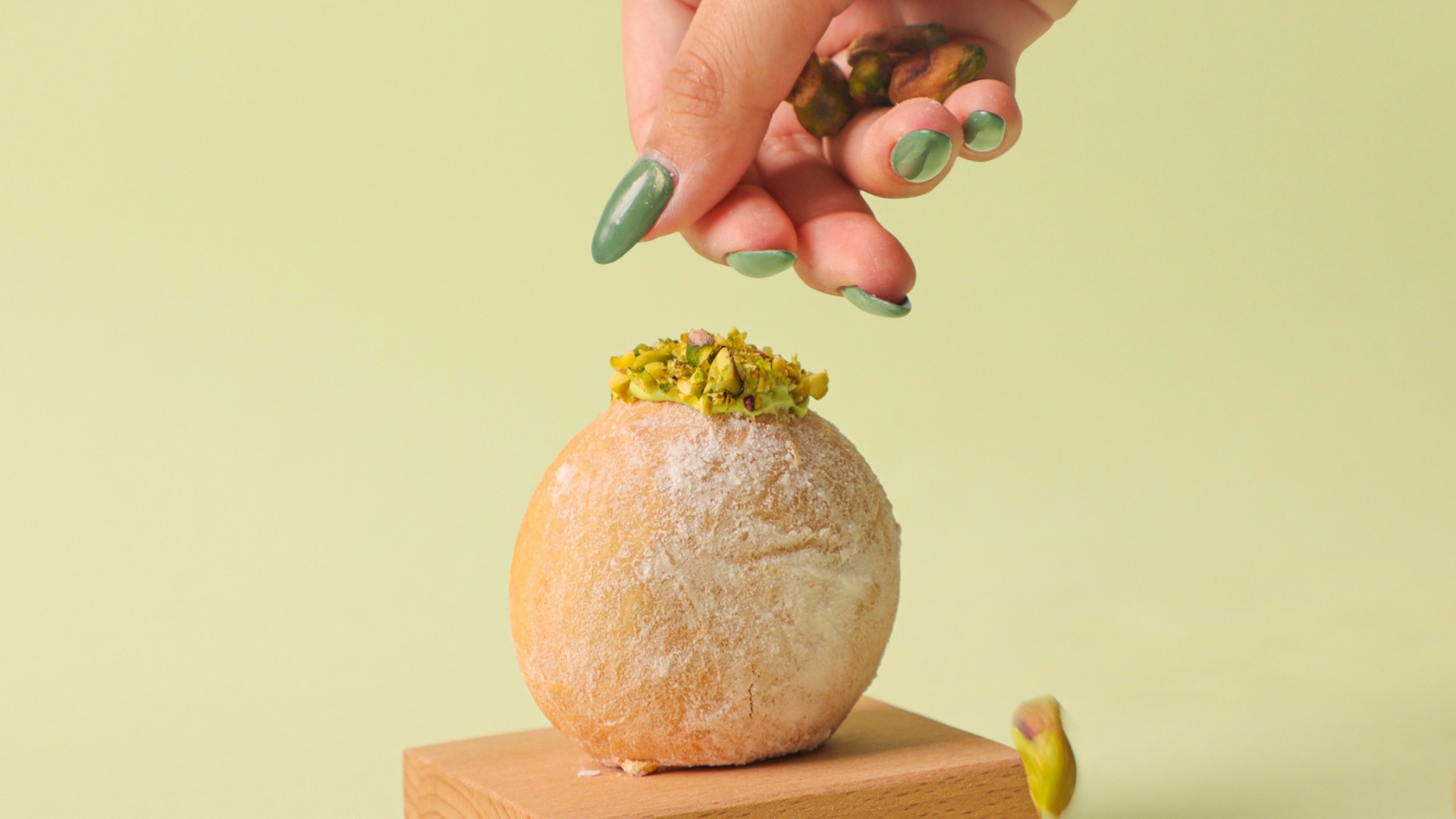
By 2026, we’ve moved way past the "gimmick" stage of fusion. It’s no longer about a one-off viral hit; it’s about building a core menu around cross-cultural flavors that actually move the needle on revenue. We are seeing "hero" SKUs like ube-mochi donuts, yuzu matcha croissants and cardamom-laced Nordic buns shift from niche pop-up experiments to permanent, high-volume fixtures. These products work because they offer a "safe" adventure; they’re different enough to be exciting but familiar enough to sell.
According to Taste Tomorrow, 46% of global consumers actively seek exotic or globally inspired flavor combinations. That is a massive chunk of the market telling us that fusion is now a baseline expectation.
Why Familiar-Yet-Exotic Flavors Drive Repeat Purchases
Consumers want to feel adventurous without feeling alienated. Using ingredients like miso, matcha, or cardamom adds a premium "discovery" factor. For a bakery, this is a strategic win: it lowers the "fear of the unknown" for the customer, which leads to that first purchase and, more importantly, the second one.
Visual-First Products Win the Algorithm Economy
Let's be honest: in 2026, if a pastry doesn't look good on a screen, it's going to struggle. Fusion pastries are naturally vibrant and layered, making them perfect bait for social media. This gives you organic marketing reach that costs basically zero dollars.
Premix Technology Makes Fusion Scalable
The old hurdle for fusion was labor. It was too hard to train staff to get these complex textures right every time. But new advances in bakery premixes have changed the game. Now, even large-scale chains can produce artisanal-level quality without needing a master pastry chef at every station.
Trend #2: Health-Forward Baking Becomes the Baseline
Health and sustainability are no longer "premium" options, they are the price of entry. The 2026 market shows a hard pivot toward clean labels, plant-based recipes, and high-protein claims.
The growth numbers are honestly staggering. The plant-based sector is set to explode from USD 4.2 billion in 2024 to USD 10.7 billion by 2033 (Grand View Research). Even more specific, vegan pastries alone are on track for USD 298 million by 2026 (The Guardian).
High-Protein Bakery Moves Beyond Fitness Niches
Protein isn't just for bodybuilders anymore. We’re seeing a huge demand for protein-packed muffins and snack cakes from regular people who just want more energy and to feel full longer. It’s about "functional indulgence."
Plant-Based Ingredients Enable Premium Positioning
Plant-based isn't just a diet; it’s a narrative. Using pea proteins or almond flours lets you speak to health, ethics, and sustainability all at once. This "triple threat" allows for higher price points that consumers are actually happy to pay.
Transparency Is a Revenue Lever, Not a Risk
Don't hide your functional benefits. In 2026, being bold about things like "10g Protein" or "No Added Sugar" on the front of your pack is a direct way to drive sales. Transparency builds a level of trust that translates directly into higher margins.
Trend #3: Texture Becomes the New Flavor
Flavor might get people in the door, but texture is why they come back. 2026 is all about "textural play." People are looking for a sensory "event", the snap of a shell, the chew of mochi, or the flake of a croissant.
Why Texture Increases Repeat Purchase Rates
The human brain loves contrast. Soft vs. crunchy or chewy vs. flaky makes a product feel more expensive and satisfying. If you can master the mouthfeel, you’ve created a "sensory signature" that your competitors can't easily copy.
Mouthfeel Creates Emotional Memory
Think about the "chew" of a really good bagel or the "snap" of a fresh puff pastry. That feeling sticks with people. In 2026, creating a memorable mouthfeel is one of the strongest competitive moats you can build.
Designing Texture for Visual Storytelling
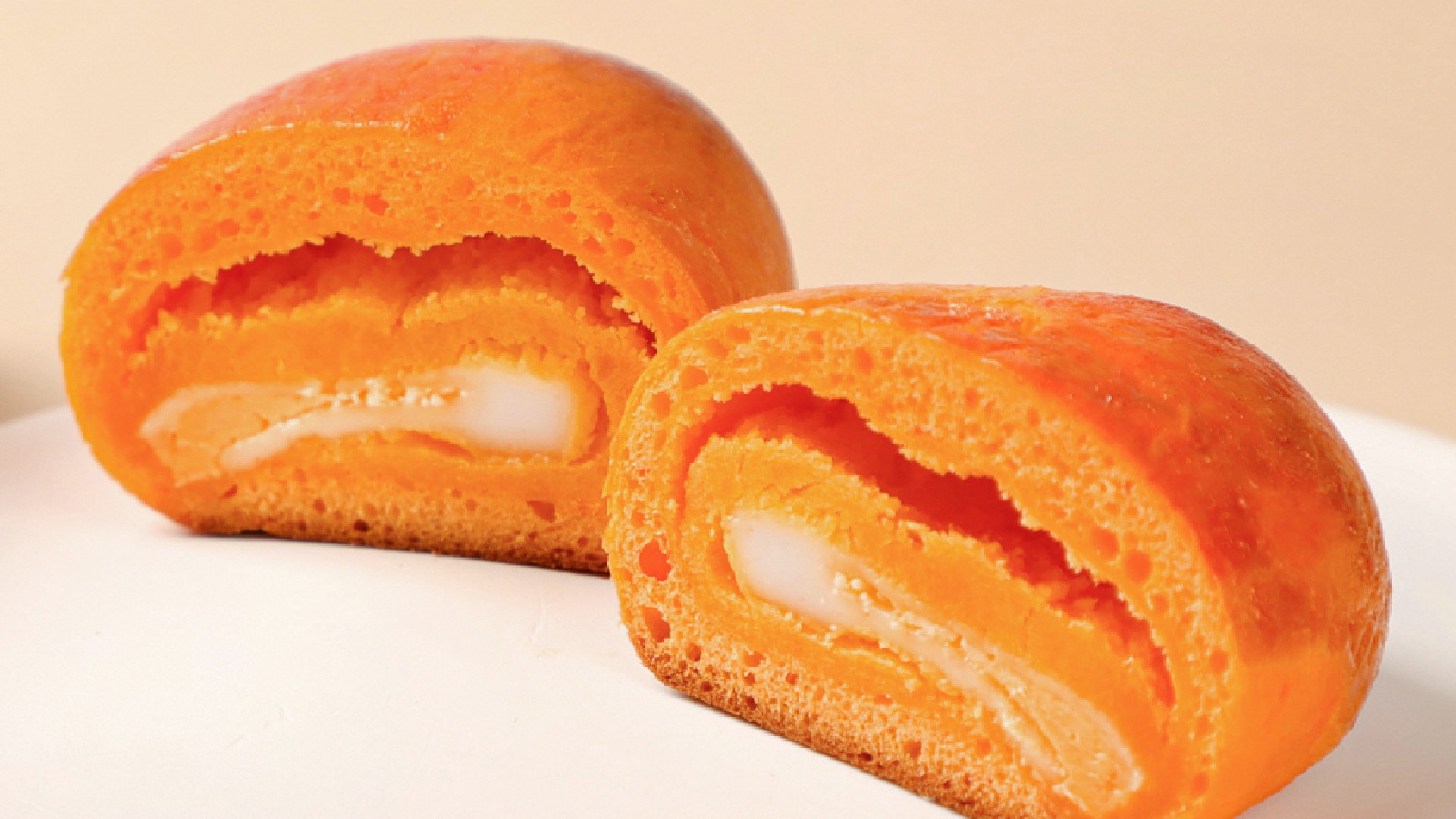
Texture is a visual cue. A photo of a "cheese pull" or the visible layers in a cross-section tells the story of quality faster than any caption could. It reinforces the premium nature of the product before the customer even tastes it.
Trend #4: Ready-to-Bake & Frozen Solutions Power Scale
Efficiency is the only way to scale in 2026. Between labor shortages and rising costs, "from scratch" at scale is becoming nearly impossible. This is why ready-to-bake and frozen solutions are becoming the industry standard.
The market data is clear: convenience formats are the primary engine for growth right now (Global Growth Insights).
Labor Optimization Without Quality Loss
You don't need a massive, highly specialized team to put out great products anymore. Modern frozen solutions maintain a very high quality bar while taking the pressure off your labor costs and training time.
Speed-to-Market Enables Agile Innovation
The market moves fast. If a flavor starts trending, you can't wait months for R&D. Using frozen or premix systems lets you test new ideas and get them on shelves in days. That agility is a huge competitive advantage.
Consistency Protects Brand Integrity
If you have five locations, the product has to be identical at all of them. Standardized systems remove the "human error" variable. In the bakery world, consistency equals trust.
Trend #5: The Shift to "Micro-Indulgence" and All-Day Snacking
The old "breakfast-lunch-dinner" routine is effectively dead. In its place, we’re seeing a culture of constant, high-quality grazing. For bakeries, this means the big growth isn't in full loaves or giant cakes, it's in "mini" formats. Whether it’s 20g "doughnut bombs," brownie bites, or curated sampler packs, smaller portions are becoming the primary way consumers interact with your brand throughout the day.
Why "Mini" is the New "Premium"
Smaller doesn’t mean cheaper; in fact, it’s often the opposite. Consumers are increasingly looking for "right-sized" indulgence, a small, high-intensity moment of joy that doesn't derail their health goals. In 2026, a meticulously crafted petit-four or a single-serve sourdough croissant is seen as more sophisticated and "mindful" than a massive, oversized pastry.
Bento-Style Samplers Drive the Average Ticket Up
Why force a customer to choose one flavor when you can sell them a "flight" of four? We’re seeing a huge move toward sampler boxes, essentially bento boxes for baked goods. This strategy does two things: it removes the "commitment barrier" for trying new, risky fusion flavors, and it naturally pushes your average order value (AOV) higher by moving four small units instead of one large one.
Merchandising for the "Grab-and-Go" Lifestyle
From an operational standpoint, bite-sized products are a dream for shelf efficiency. They fit perfectly into impulse-buy zones near the register and are ideal for the booming "delivery and takeaway" market. Compact, snackable items allow you to maximize your display space while catering to the hybrid worker who wants a quick, high-quality snack between Zoom calls.
FAQ|Bakery Trends 2026
Q1: What baked goods will be in highest demand in 2026?
The big winners will be fusion pastries, high-protein/plant-based options, and anything with a distinct texture. Scalable frozen and bite-sized formats will also lead the pack.
Q2: How can bakeries stand out on social media in 2026?
Stop just showing the product. Show the *texture*. Close-up videos of layers, "chews," and "snaps" are what drive engagement.
Q3: How can bakeries maintain profitability amid rising costs?
You have to lean into efficiency. Use premixes or frozen solutions to cut labor, and lean into functional health benefits to justify higher price points.
Final Strategic Insight
Winning in 2026 isn't about one single trend; it's about how you mix creativity with a rock-solid operational system.
The leaders will be the ones who take data-backed insights, like the shift to fusion and health and build them into a production model that actually scales. If you can balance those two things, you won't just survive 2026, you'll own it.
Start your 2026 bakery transformation. Want to turn trends into profits?